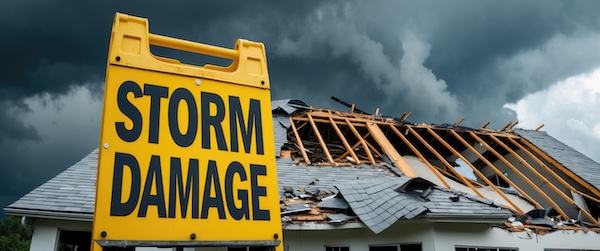
With the tropics increasingly active, residents and visitors along the Southeast U.S. coast, from Florida through North Carolina, must be on high alert for potential tropical weather impacts this coming week. While the primary area of interest hasn't yet formed into an organized storm, forecasters anticipate rapid development. Because the potential timeline for impacts, especially across North Carolina, is short, it's crucial to take immediate action: be alert, prepare now, and stay informed through reliable weather sources.
North Carolina's extensive coastline and history of powerful storms make hurricanes a constant threat to us. From the catastrophic flooding caused by Hurricane Florence in 2018 to the devastating impacts of Isaias in 2020 and Helene in 2024, our state is no stranger to the significant impacts these storms can have. No one knows exactly when, where, or how this tropical system will impact North Carolina, making preparedness not just a suggestion, but a necessity.The Importance of Early Preparation
Being prepared can significantly mitigate the impact of a hurricane. Early preparation allows residents to address potential risks and ensure safety measures are in place before a storm threatens. Here are some crucial steps to take:- Create an Emergency Plan: Develop a comprehensive family emergency plan that includes clear evacuation routes, designated meeting points, and established communication methods. Ensure all family members understand the plan and practice it regularly.
- Build a Disaster Kit: Assemble a kit with essential supplies, including non-perishable food, water, medications, flashlights, batteries, a first-aid kit, and essential documents. Include enough supplies to last at least three days.
- Prepare Your Family for the Possibility of a Hurricane: Don’t be reluctant to talk with your family about the possibility of a hurricane, fire, tornado, or flood. Thought and action before the disaster hits usually help family members react wisely. Families that work together to prepare for the problem will cope better than those who do not take precautions.
- Correct Potential Home Hazards: Identify and correct potential home hazards. Inspect your home for vulnerabilities. Install storm shutters, reinforce doors and windows, and secure loose outdoor items to prevent damage. Conduct a thorough inspection of your home promptly to identify and rectify any potential hazards.
- Protect Valuable Records: Protecting family papers is an essential part of preparing you for dealing with natural disasters. Check your homeowner's insurance policy to ensure it covers hurricane damage. Consider purchasing flood insurance, as standard policies typically do not cover flood damage.
- Plan for Pets: Include your pets in your emergency plan. Ensure they have proper identification, and prepare a pet emergency kit with food, water, and other necessities.
- Stay Informed: Stay up-to-date with weather updates and alerts from reliable sources, such as the National Hurricane Center and local media outlets. Sign up for National Weather Service or local media emergency alerts to receive timely information.