Flood-damaged homes need immediate attention to prevent mold growth, which can begin to grow within 2-3 days on materials that have gotten wet. Mold may serious health risks, especially to children, the elderly, and those with existing health conditions.
It can trigger allergic reactions or asthma episodes. If your home has flooded here is how to handle mold effectively:- Act Quickly: Begin cleanup as soon as it’s safe. Take photos for insurance, but don’t wait for an adjuster to remove wet and moldy materials. Note that most homeowners’ insurance does not cover mold, but flood insurance might.
- Wear Protective Gear: Use gloves, goggles, disposable covering, and an N-95 respirator during cleanup to avoid exposure.
- Isolate and Ventilate: Seal off moldy areas and ventilate to the outdoors to prevent spore spread.
- Remove Moldy Materials: Dispose of porous, water-damaged materials like carpets, insulation, and drywall. Salvage valuable items only if cleaned and dried promptly.
- Clean and Disinfect: Clean non-porous materials with non-phosphate cleaners and use disinfectants carefully. Avoid mixing bleach with ammonia.
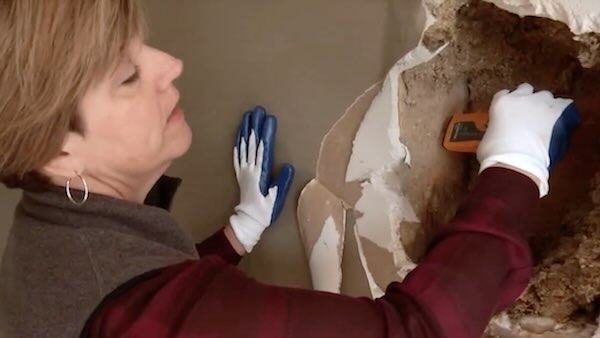
- Speed Dry: Use fans, dehumidifiers, and air conditioning to dry materials quickly. Check moisture levels in wooden studs with a moisture meter to ensure they are 15% or below before restoring.
- Stay Vigilant: Monitor for new mold growth, which can appear within days if moisture remains. If mold returns, repeat the cleaning and drying process.
HUD’s Rebuild Healthy Homes is a valuable resource for those who need to clean-up
and repair homes damage by any type of natural disaster. The Rebuild Healthy Homes: Guide to Post-disaster Restoration for a Safe and Healthy Home is a detailed and comprehensive how-to guide available online, as a free pdf for download. Even more useful for those actively working on a home is the Rebuild Healthy Homes app which you can access information via HUD’s website.
- Returning Home After a Disaster
- Cleaning Flooded, Upholstered Furniture, Curtains, Bedding, Table Linens and other Household Textiles
- Water Damaged Carpets and Rugs
- Flood Damaged Furniture
- Dealing with Potential Moisture Problems After a Flood